

This autumn Brittany Ferries is closing its Portsmouth to Le Havre and Poole to Cherbourg routes, after sales came in below expectations.
A few miles east, the Newhaven to Dieppe ferry tells a more hopeful story, but with the same warning inside it. It supports £31.63m a year and 495 jobs across East Sussex, yet runs at around 40% of capacity. The value is already there. Most of the seats are empty.
It’s a pattern far beyond ports. Bus routes, libraries, museums, leisure centres and town centres all hold assets that are under-used by the very people living closest to them. The usual response is to talk to current customers and promote the service harder. But current users can only tell you why they come. They can’t tell you why everyone else stays away.
Non-user research asks the people who could use something, but don’t, what’s really stopping them, and what would nudge them to try it once and then come back. At Always Possible we treat it as the missing half of market research. We combine data, interviews, targeted surveys and lived experience to find the blockers, test the assumptions insiders hold, and turn what we learn into changes that can be piloted and measured.
What we’re seeing in practice
Not every non-user is persuadable, so find the ones who are
When Transport Focus asked people who don’t use buses what would change their minds, 49% said nothing would. That isn’t a failure, it’s focus. The other half named specific fixes, such as frequency, value, reliability and better routes.
Good non-user research separates the people you’ll never win from the ones who are one practical change away.
“Non-users” are never one audience
A school planning a trip, a business shipping pallets, an electric car driver, a cycling event organiser and a disabled traveller might all use the same service to get from country to another, but they hit very different barriers.
Risk assessments, charging, logistics contracts, group bookings and accessibility each need their own fix. Lumping them together produces a campaign that speaks to nobody in particular.
Insiders’ hunches need testing
People who run and use a service build up strong theories about why others don’t, such as cost, language, paperwork or perceived risk. Some will be right and some won’t.
Mystery shopping, where non-users try the service for the first time in exchange for honest feedback, is one of the quickest ways to find out which.
2019
Case study
Worthing live music market appraisal
AudioActive and Worthing Borough Council suspected the town’s live music scene was under-serving its own young people, but had no evidence of who was missing out, or why. Venues reported their audiences. Nobody knew much about the people who weren’t turning up.
Always Possible designed a market appraisal around the gap. We combined population, skills and sector data with consultation involving more than 150 people, through focus groups, surveys, one-to-ones and roundtables held in pubs where promoters and musicians already gathered. We also compared Worthing with other coastal towns using music to drive social change.
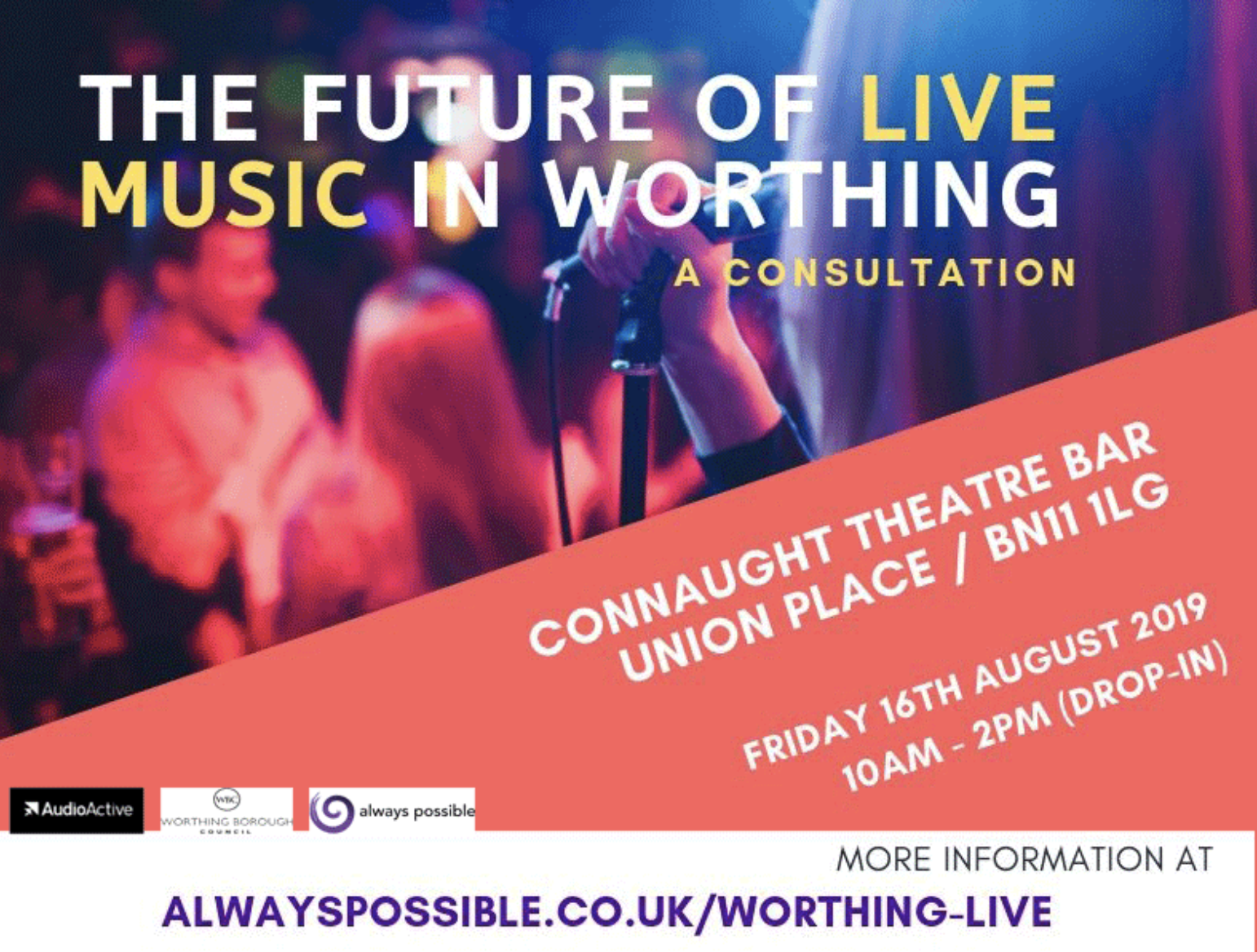
The research found a growing appetite for contemporary and urban genres with very little live provision, no shared marketing, and real barriers for young promoters. That evidence made the case for a Centre of Urban Music Excellence. It supported more than £92,000 of initial investment and helped AudioActive secure over £420,000 a year in core funding from Esmée Fairbairn Foundation and Arts Council England, turning a former high street shop into a music hub in the town centre.
150+
people consulted, including non-attenders and young promoters
£92k
initial investment the evidence supported
£420k
per year in core funding secured afterwards
Questions worth asking
When did we last speak to someone who could use our service but never has?
Which non-users could we realistically win, and which are we wasting effort on?
What are we assuming about why people stay away, and how would we know if we’re wrong?
What single change would make trying us for the first time feel easy?
Talk to us about insight.
We design market and non-user research that shows what’s really stopping people, and what would change their minds, for transport, cultural, visitor economy and public services across the UK.

More on reaching the right people
-

Three decisions to make before you design a funding programme
Most funding programmes are designed from the application form outwards. The best ones start…
-
Safe spaces aren’t soft spaces
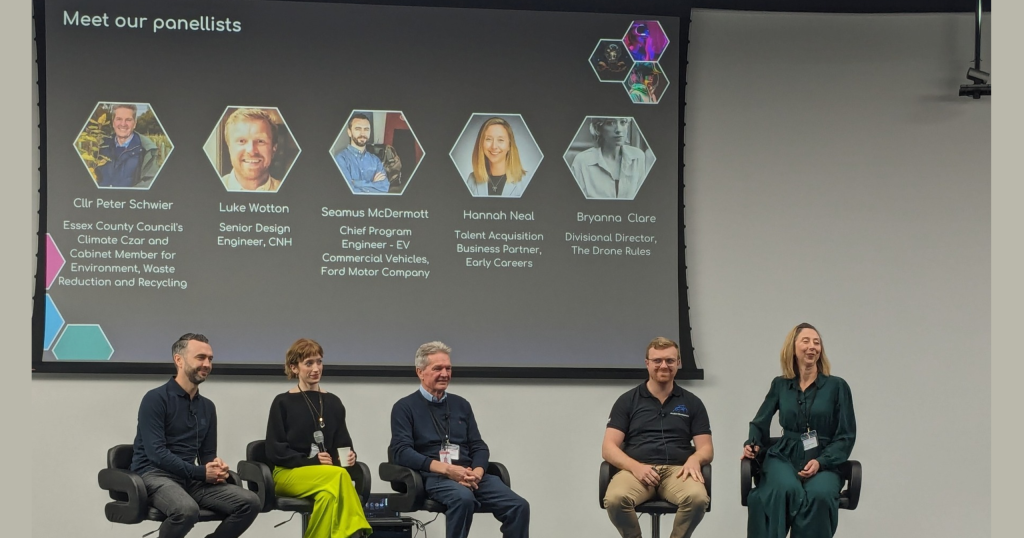
Good stakeholder engagement doesn’t avoid disagreement. It creates safe spaces for difficult conversations, where…
-
Engagement campaigns are really trust campaigns
Most community engagement campaigns don’t fail on reach. They fail on trust.