
Safe spaces aren’t soft spaces
Good stakeholder engagement doesn’t avoid disagreement. It creates safe spaces for difficult conversations, where people say what they actually think, hear what they’d rather not, and still leave with something to act on.
Only 12% of people in Britain trust governments to put the country before their party, and almost two-thirds say they have no say in what government does.
Three-quarters feel the government has little or no respect for them. Meanwhile the English Devolution and Community Empowerment Act 2026 now requires every council in England to set up neighbourhood governance. Public bodies are about to host far more community engagement, with people who don’t expect to be listened to.
A safe space for a difficult conversation isn’t a polite one. It’s a setting where people can be candid without fear of being punished or embarrassed, and where the standard of challenge stays high. Most public consultation is built to collect views rather than test them, so people defend a position and leave while quieter voices stay quiet. The research on psychological safety is clear that it means permission to be candid, paired with high standards, not protection from challenge.
At Always Possible, we treat stakeholder engagement and facilitated dialogue as a design problem. That means deciding who needs to be in the room, what evidence they need in front of them, how disagreement gets held rather than smoothed over, and what happens to the result afterwards. We work closely enough to understand the relationships at stake, and independently enough to ask the questions that others might avoid.
What we’re seeing in practice
Who is in the room decides the answer
Who’s invited, and how, shapes what gets said far more than the question does.
Deliberative engagement such as citizens’ assemblies and citizens’ panels recruits on purpose, including people who’d never volunteer, and the OECD has now recorded 716 of them globally, actually shaping national policy. A fifth since 2021 alone.
Disagreement is a raw material
In Amy Edmondson’s original hospital study of psychological safety, the teams that felt safest reported more errors, and performed better, because problems surfaced while they could still be fixed.
A conversation that never gets uncomfortable isn’t often useful.
Most conversations fail after they finish
Climate Assembly UK changed minds and habits, with 91% of members reporting a change in behaviour.
Yet their belief that it would shape policy fell from 42% to 14% in under three years. Without a designed route from the room to the decision, engagement accidentally teaches people not to bother next time.
2025
Case study
Basildon Creative Tech Fest
Basildon Borough Council didn’t want another showcase. It wanted to widen who takes part in the conversation about the town’s economic future, bringing young people, small businesses, educators and public services into the same rooms.
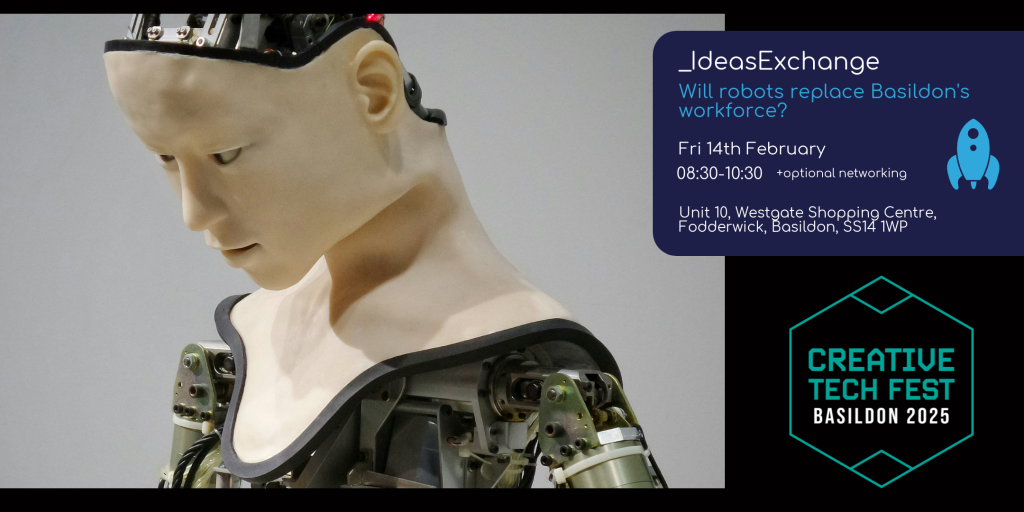
Always Possible curated the programme around that aim. An open call brought in 19 partner proposals alongside our own hosted events, and we shaped the mix so people could take part lightly, through tours and family days, or go deep. At the centre sat the Ideas Exchanges, debates that each opened with an uncomfortable question, such as “Is technology killing the creative industries?” or “Will robots replace Basildon’s workforce?”, tested by a national keynote and a cross-sector panel before the floor took over.
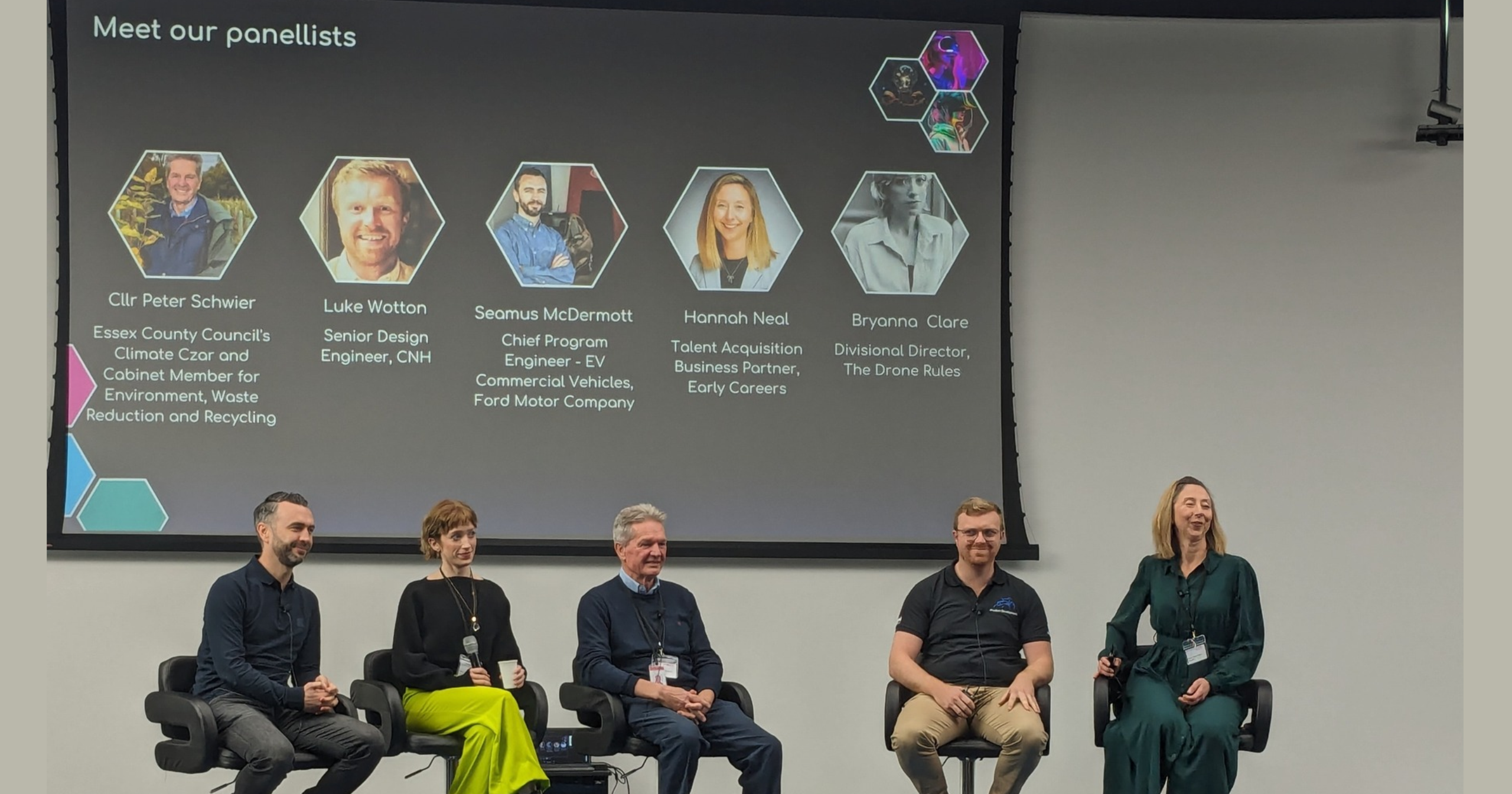
The curation changed how partners took part. South Essex College sponsored the event from its Innovation Fund, specifically to bring a deeper mix voices to Basildon, into the Ideas Exchanges. Panelists drew from a range of provocations and expertise – representing organisations as diverse as The Roundhouse, New Holland Industrial, Essex Green Growth Team and Royal Shakespeare Company. High profile technology evangelist Nihal Arthanayake debated the risks and ethics of AI with Basildon film-maker Aaron Shrimpton.
The format grew out of the Ideas Exchanges we ran for the Coastal West Sussex Partnership in 2021, where insights from each session went to its board, council leaders and local MPs, and went on to shape board priorities and funding applications.
4
ideas exchange events
15
keynotes and panellists in the debates
£5,000
invested by a local college to bring more diverse thinkers into the debates
Questions worth asking
Who isn’t in the room, and what would it take to get them there?
What’s the thing everyone’s thinking but nobody will say first?
Are we hosting this to make a decision, or to say we’ve listened?
What will participants hear back, and when, about what changed because of them?
Talk to us about engagement.
We design stakeholder and community engagement that holds real disagreement and still ends in decisions people trust, from neighbourhood forums and roundtables to citizens’ panels and leadership away days, across the UK.

More on reaching the right people
-

Three decisions to make before you design a funding programme
Most funding programmes are designed from the application form outwards. The best ones start…
-

Why don’t people use what’s on their doorstep?
Ferries, buses, museums and high streets all face the same puzzle. The people who…
-
Engagement campaigns are really trust campaigns
Most community engagement campaigns don’t fail on reach. They fail on trust.