

Only 26% of adults in England feel they can influence decisions affecting their local area, and 31% say they rarely or never get the chance to meet people from different backgrounds.
UK grant funders are responding with new programmes on belonging, cohesion and community power. That’s welcome. But the people these programmes are for are often the least likely to get through a standard grant process.
Imagine a funder setting out to build a national programme that bridges divides between communities, with four months to design it and a launch date already in the diary. The brief calls for eligibility rules, assessment criteria and application questions. The tempting route is to start with the form. But three things make this kind of design harder than it looks. Bridging is about relationships, not activity. The application route is part of the intervention. And the answer isn’t always a grant.
At Always Possible, we help funders design programmes backwards from the decisions that matter, not forwards from the paperwork. That means testing real choices with community-led organisations, helping funders be explicit about their own role, and walking the applicant journey with them before launch. We stay close enough to understand what the funder is trying to achieve, and independent enough to say when the evidence points somewhere else.
What we’re seeing in practice
Decide what you’re really backing: relationships or activity
Bridging relationships are usually a by-product of sustained shared activity, not a project output. Steady, unrestricted support for organisations whose everyday work already mixes people often achieves more than a new fund for bridging projects.
That means looking for where those relationships already exist, not only where need is greatest, and remembering that rural, coastal and minority-language communities are easy to miss in national data.
Decide how people get in: the application is part of the intervention
Processes only built for organisations fluent in funder language exclude the very groups belonging programmes are meant for.
IVAR’s work with more than 1,200 charities shows that open and trusting grant-making makes organisations stronger. Walk the journey as a small, informal or minoritised group would, then test it with real applicants before you open.
Decide your role: the answer isn’t always a grant
Money is only one of the things a funder brings. Development support, volunteering, relationships, evidence, convening and influence all carry different value and different power.
Be explicit about where each one helps, and where your involvement would crowd out the local leadership you want to support.
2022
Case study
South East Business Boost grants, East Sussex
East Sussex County Council needed to get growth grants of up to £10,000 into the hands of small and new businesses during and after the pandemic. Many of the firms that would benefit most had never applied for public funding, and a slow, paper-heavy process would have lost them.
Always Possible worked with the council to deliver the programme and shape the route in. We built a lean, plain-English application process, and offered every business an information, diagnostic and brokerage session before it applied, so it went in with a clear growth plan rather than a guess at what the funder wanted. We added guidance, training materials and a local supplier database, and targeted sectors that mainstream support often missed, from advanced manufacturing to specialist craft and conservation.
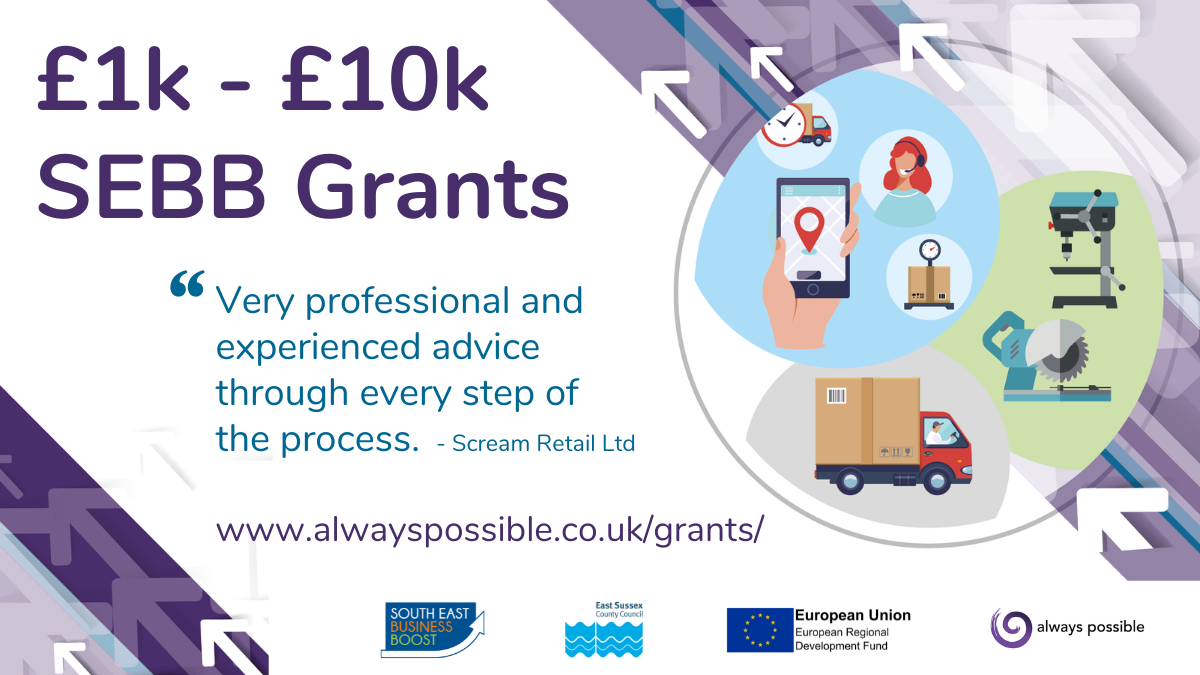
The design worked for the businesses it was meant to reach. Grants of £761,649 went to 136 businesses, including 45 new enterprises, and unlocked £1.37m of private match funding. Participants created 76.5 new jobs and introduced 61 new products and services, and the full pot was spent on target.
273
pre-application diagnostics delivered
136
businesses funded, including 45 start-ups
£1.37m
private match funding unlocked
Questions worth asking
What is this programme deliberately not trying to do?
Would the organisations we most want to reach get past our eligibility rules?
Is a grant really the best tool here, or would partnership, convening or influence do more?
Have we watched a small, informal group try our application before we launch it?
Talk to us about strategy.
We help funders, foundations and public bodies design programmes that reach the communities they’re meant for, from theory of change and engagement to eligibility, assessment and applicant guidance, across England and Wales.

More on reaching the right people
-

Why don’t people use what’s on their doorstep?
Ferries, buses, museums and high streets all face the same puzzle. The people who…
-
Safe spaces aren’t soft spaces
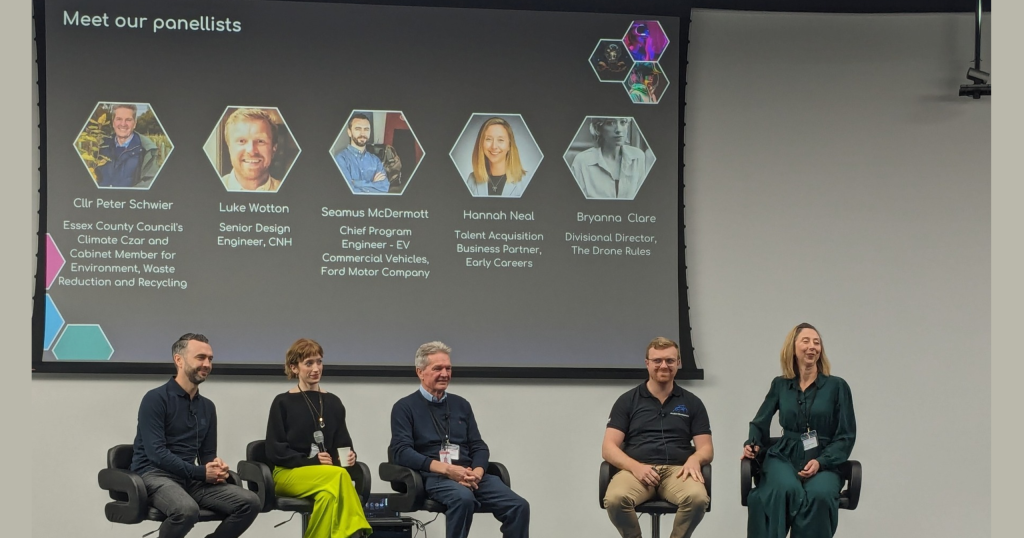
Good stakeholder engagement doesn’t avoid disagreement. It creates safe spaces for difficult conversations, where…
-
Stop promising value to everyone
Membership and sector-support organisations often promise to serve everyone equally. It sounds generous. In…